
Michigan Catastrophic Injury Lawyer
A catastrophic injury can change how you work, move, care for yourself, and plan for your future. The first concern is often immediate medical care. Soon, questions about rehabilitation, income, independence, insurance, and long-term needs can become just as important.
Run Point.
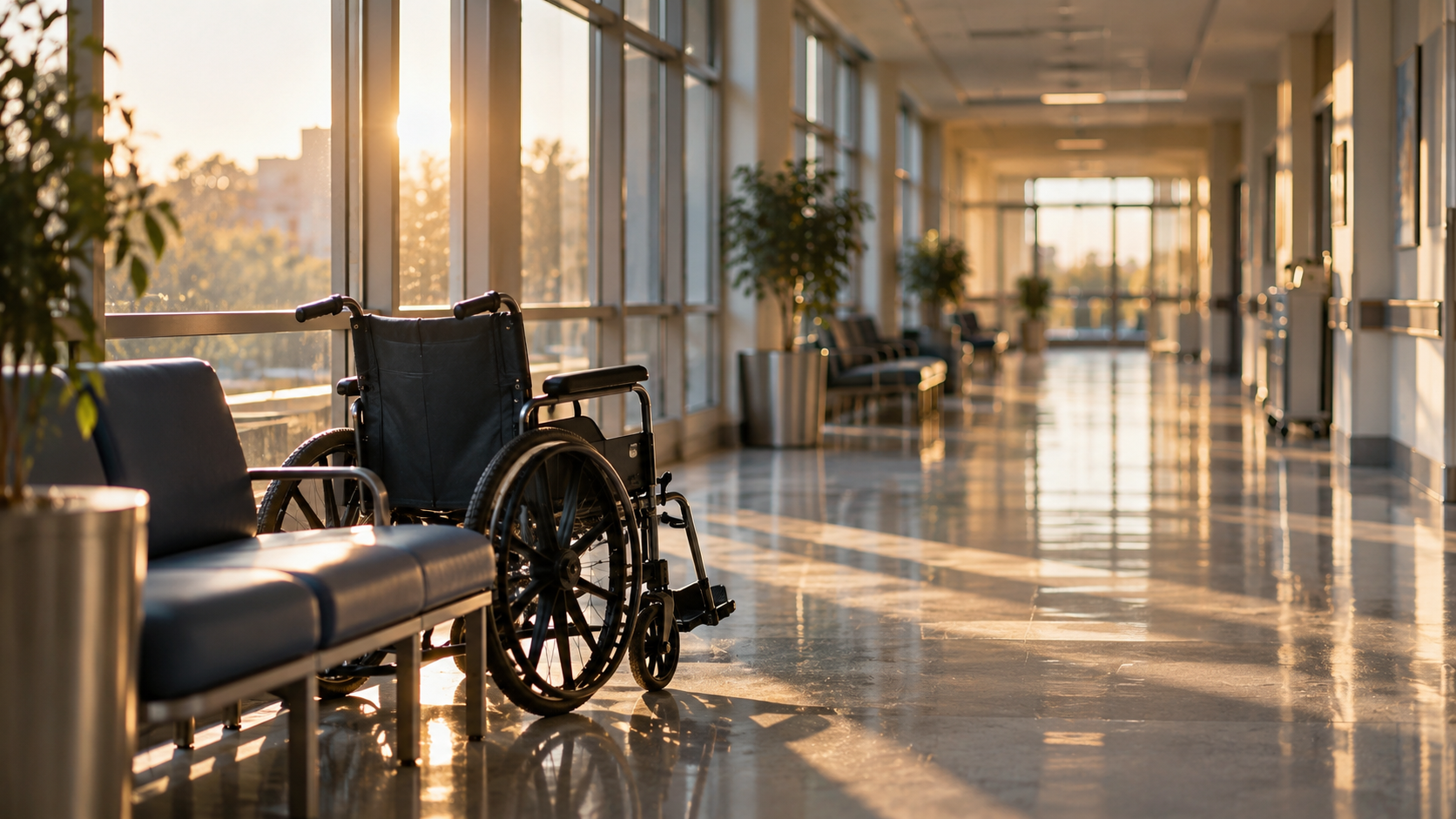
Mungo Law helps people understand their legal options after life-changing injuries caused by negligence. We serve clients across Michigan, with a particular focus on Wayne, Oakland, and Genesee Counties. You run point. We help you understand the court, evaluate your options, and build a legal strategy around what matters to you.
What Is a Catastrophic Injury?
A catastrophic injury is a severe injury that causes significant long-term or permanent limitations. These injuries can affect mobility, cognitive function, employment, independence, or the ability to complete everyday activities.
The initial diagnosis is only part of the picture. Some injuries require years of treatment, rehabilitation, medical equipment, or personal assistance. Others create complications that become clearer as recovery progresses.
Catastrophic injuries may include:
- Traumatic brain injuries
- Spinal cord injuries
- Paralysis
- Amputations or loss of limbs
- Severe burns
- Significant neurological injuries
- Permanent mobility limitations
- Serious orthopedic injuries
- Injuries resulting in permanent disability or loss of function
Many people do not realize how much an injury can evolve after leaving the hospital. A brain injury, for example, can involve cognitive, emotional, and behavioral changes that affect everyday life.
A catastrophic injury claim is not only about what happened on the day of the accident. The long-term consequences can also matter.
How Do Catastrophic Injuries Happen?
Catastrophic injuries can result from many forms of negligence. The key legal question is usually not just how serious the injury became. It is also whether another person or entity may be legally responsible for causing it.
Serious injuries may result from:
- Car crashes
- Commercial truck crashes
- Motorcycle crashes
- Pedestrian and bicycle collisions
- Dangerous property conditions
- Construction incidents
- Defective or dangerous products
- Other preventable acts of negligence
Some cases involve several potentially responsible parties. A commercial crash, for example, could raise questions about the driver, employer, vehicle maintenance, or a defective component.
From Injury to Potential Claim
- 1The injury. A severe injury can cause long-term or permanent limitations that continue well after the initial diagnosis.
- 2The conduct. Negligence generally involves a failure to use reasonable care under the circumstances.
- 3The connection. A personal injury claim usually requires connecting that failure to the harm suffered.
- 4The parties. Some cases involve several potentially responsible parties, such as a driver, an employer, a maintenance provider, or a defective component.
- 5The future. Ongoing treatment, support needs, and reduced earning capacity may also form part of the claim.
The evidence must support both responsibility and the claimed losses.
This process is not automatic. Every case depends on its specific facts and the Michigan laws that apply.
What Can a Catastrophic Injury Claim Include?
Catastrophic injury cases require looking beyond today's medical bills. A person may face ongoing treatment, reduced income, permanent limitations, and new care needs for years.
Depending on the circumstances, a person may have a claim involving:
- Past and future medical expenses
- Rehabilitation and physical therapy
- Lost wages or income
- Reduced future earning capacity
- Medical equipment
- Home accessibility modifications
- Assistance with daily activities
- Pain and suffering
- Other economic and non-economic losses allowed by law
Future needs can be especially important in catastrophic injury cases. Medical and economic professionals may help evaluate ongoing treatment, support needs, and reduced earning capacity.
Today’s Costs vs. Tomorrow’s Needs
| Immediate Impact | Potential Long-Term Impact |
| Emergency treatment | Future medical treatment |
| Hospitalization | Rehabilitation and therapy |
| Missed work | Reduced earning capacity |
| Temporary assistance | Long-term personal care |
| Current limitations | Permanent loss of function |
| Initial equipment | Home or vehicle modifications |
A quick resolution may not reflect needs that have not yet developed. Understanding the medical prognosis can help provide a clearer picture of the injury's full impact.
Who Could Be Responsible for a Catastrophic Injury?
Responsibility depends on how the injury happened. Potentially responsible parties could include drivers, businesses, property owners, contractors, manufacturers, or other individuals and entities.
Negligence generally involves a failure to use reasonable care under the circumstances. A personal injury claim usually requires connecting that failure to the harm suffered. The evidence must support both responsibility and the claimed losses.
A severe injury automatically means someone else is legally responsible.
The severity of an injury and legal responsibility are different questions. A claim still requires evidence connecting another party's conduct to the injury.
Once an insurer accepts a claim, compensation becomes straightforward.
Catastrophic injuries can involve complex questions about medical prognosis, future care, income, liability, and insurance coverage.
What Evidence Can Matter in a Catastrophic Injury Case?
Strong documentation helps explain both what happened and how the injury changed someone's life. Some evidence establishes responsibility. Other evidence helps document the medical, financial, and personal consequences.
Relevant evidence may include:
- Police, crash, or incident reports
- Photographs and video
- Witness information
- Medical records
- Diagnostic imaging and testing
- Rehabilitation records
- Employment and income records
- Insurance correspondence
- Expert evaluations when appropriate
- Documentation of daily limitations
Medical evidence can become particularly important when an injury is not easily visible. Brain injuries, neurological conditions, and psychological trauma may require detailed records and specialist evaluations.
What Should You Preserve?
Keep copies of medical bills, treatment records, accident photographs, insurance letters, and employment documents. Write down how the injury affects daily activities while those details remain fresh.
Evidence can become harder to locate over time. Legal deadlines also vary based on the type of claim and circumstances involved. Speaking with a Michigan attorney can help you understand which deadlines may apply.
Why Does the Future Matter So Much?
Recovery from a catastrophic injury may not follow a predictable schedule. Treatment can continue for months, years, or longer. Some people may also need ongoing assistance or significant changes at home.
A complete evaluation may consider questions such as:
- Will additional surgery be needed?
- How long could rehabilitation continue?
- Can the person return to the same career?
- Will working hours or responsibilities change?
- Is personal assistance necessary?
- Will the home require accessibility modifications?
- Could medical equipment need replacement?
- How might the injury affect independence?
In some cases, specialists may develop a life care plan. This can help identify anticipated treatment, support, and resources connected to the person's condition.
You Run Point. We Help Build the Team Around Your Case.
A serious injury can make it feel like everyone else suddenly controls the conversation. Doctors have treatment plans. Insurers ask questions. Employers need answers. Family members are trying to figure out what comes next.
At Mungo Law, you run point. That means your priorities, questions, and goals remain central to the attorney-client relationship. We explain your options so you can make informed decisions about your case.
Our approach is built around:
| Respect | We listen before deciding what your case needs. |
| Transparency | We explain the process and your options in plain English. |
| Preparation | We investigate the facts and consider the long-term impact. |
| Communication | We keep clients informed instead of leaving them guessing. |
| Teamwork | We build strategy with you, not around you. |
| Advocacy | We are prepared to challenge parties responsible for preventable harm. |
Running point does not mean carrying the whole team. Our job is to help you see the court and understand your options. We handle the legal work while keeping you involved in decisions that affect your future.
YOU RUN POINT.
Your life. Your priorities. Your decisions. We bring the preparation, communication, and advocacy.
We respond to all calls and correspondence within 24 hours.
Serving Wayne, Oakland and Genesee Counties and Clients Across Michigan
Wayne County
We help people throughout Detroit and Wayne County understand their options after life-changing injuries. Serious crashes and other negligent acts can create medical and financial consequences that extend far beyond the initial accident.
Oakland County
Mungo Law is based in Novi and serves communities throughout Oakland County. We provide hands-on representation for people facing serious injuries, long recoveries, and uncertain futures.
Genesee County
We also serve Flint and communities throughout Genesee County. Clients can speak directly with our firm about what happened and what options may be available under Michigan law.
Statewide Michigan Representation
Our work is not limited to these three counties. If you suffered a catastrophic injury elsewhere in Michigan, you can still contact Mungo Law to discuss your circumstances.
Your Next Move Starts With Understanding Your Options
A catastrophic injury can create questions you never expected to face. What happens to your career? Who pays for future treatment? How will your family adjust? Understanding your legal options can help you make informed decisions about what comes next.
If you or someone you love suffered a catastrophic injury in Wayne, Oakland, or Genesee County, contact Mungo Law. We also serve clients throughout Michigan. You run point. We bring the preparation, communication, and advocacy to help you understand the next play.
Talk With Mungo Law About What Comes Next
Contact Mungo Law for a free consultation about your potential catastrophic injury claim. We respond to all calls and correspondence within 24 hours, and we will explain your options without pressure or legal jargon.
Every case is different. Speak to a lawyer to understand your rights. This information is educational and does not constitute legal advice.
What people ask us about this claim.
Can Medical Equipment and Home Modifications Be Part of a Claim?
They can be, depending on the circumstances. A catastrophic injury claim may involve medical equipment, home accessibility modifications, and assistance with daily activities, alongside past and future medical expenses, rehabilitation, lost income, and reduced future earning capacity.
Because those needs can continue for years, medical and economic professionals may help evaluate ongoing treatment, support needs, and reduced earning capacity. In some cases specialists develop a life care plan identifying anticipated treatment, support, and resources connected to the person's condition.
Why Might It Be Too Early to Resolve a Catastrophic Injury Claim?
Recovery from a catastrophic injury may not follow a predictable schedule. Treatment can continue for months, years, or longer, and some injuries create complications that only become clearer as recovery progresses.
A quick resolution may not reflect needs that have not yet developed. Understanding the medical prognosis can help provide a clearer picture of the injury's full impact, including whether additional surgery, continued rehabilitation, personal assistance, or home modifications are likely. Every case depends on its specific facts and the Michigan laws that apply.
What Should I Preserve and Write Down After a Catastrophic Injury?
Keep copies of medical bills, treatment records, accident photographs, insurance letters, and employment documents. It also helps to write down how the injury affects daily activities while those details remain fresh.
Evidence can become harder to locate over time, and documentation of daily limitations can matter as much as the medical records themselves. Medical evidence can become particularly important when an injury is not easily visible — brain injuries, neurological conditions, and psychological trauma may require detailed records and specialist evaluations.
How much is a catastrophic injury case worth?
There is no responsible one-size-fits-all answer. Potential value depends on liability, medical evidence, insurance coverage, lost income, future needs, and many other factors.
How long do I have to file a catastrophic injury claim in Michigan?
Michigan law imposes deadlines on personal injury claims, but the applicable deadline can depend on the claim. Different rules may apply based on who caused the injury and other circumstances. Speak with an attorney promptly about your specific situation.
Can a family member contact Mungo Law for someone seriously injured?
Yes. Families often have questions while an injured loved one is hospitalized or unable to manage legal matters. We can discuss the situation and explain what next steps may be appropriate.
Free consultation
Still not sure where you stand? One call is enough to find out, and it costs nothing.
Written on this subject
All posts
Free consultation
Reading helps. An answer on your own facts helps more, and it costs nothing to get one.
Guides on this subject
All guidesNothing here yet
No guide covers this one yet.
Guides are the longer pieces, written for decisions rather than questions. None of them deals with this area yet. The full set is one click away, and the FAQs above cover most of what gets asked here.
Read the guidesFree consultation
Not sure which of these fits your situation? One call sorts it faster than any website can.
You do not have to figure this out alone.
One conversation is enough to know where you stand. It costs nothing, and you will speak with Brandyn.