
Michigan Premises Liability Lawyer: Injured on Unsafe Property?
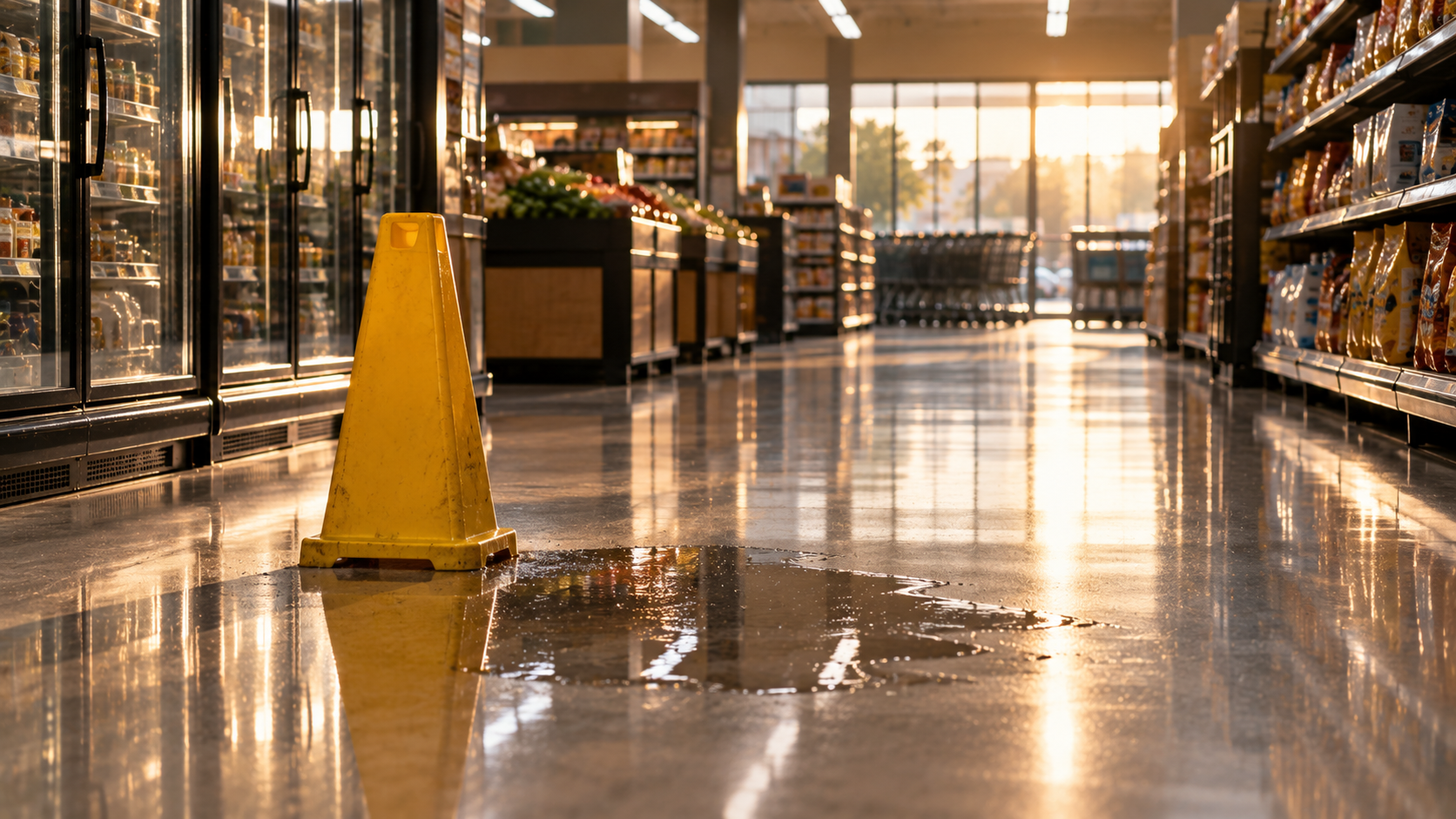
A fall on an icy walkway can change your week in seconds. So can a broken stair, unsafe parking lot, wet store floor, or poorly maintained apartment building. What looks like an accident may raise serious questions about who controlled the property and why the danger was not addressed.
Run Point.
Mungo Law helps injured people understand those questions and their rights under Michigan law. We serve clients throughout Wayne County, Oakland County, Genesee County, and across Michigan. If another party's failure to maintain safe property contributed to your injury, you may have a premises liability claim.
What Is Premises Liability in Michigan?
Premises liability is an area of personal injury law involving unsafe conditions on property. These cases often focus on whether someone responsible for the property failed to use reasonable care.
That does not mean every injury on someone else's property creates a lawsuit. Michigan law looks closely at the property, the dangerous condition, and why the visitor was there. It also considers what the responsible party knew or reasonably should have known.
Who Could Be Responsible?
The property owner is not always the only party worth investigating. Control over the area and responsibility for maintenance can also matter.
Depending on the circumstances, responsible parties could include:
- Property owners
- Businesses
- Landlords
- Property management companies
- Tenants or occupants controlling the property
- Maintenance companies
- Snow and ice removal contractors
- Other parties responsible for the unsafe area
Premises liability asks a practical question: Did someone responsible for property fail to use reasonable care, resulting in an injury?
What Types of Premises Liability Cases Can Occur?
Dangerous property conditions can appear almost anywhere. A neighborhood grocery store presents different risks than an apartment complex. Still, both property operators have responsibilities toward lawful visitors.
Common premises liability cases may involve:
- Slip and fall accidents
- Snow and ice injuries
- Wet or slippery floors
- Broken stairs or missing handrails
- Uneven pavement and damaged walkways
- Poor lighting
- Falling merchandise or objects
- Unsafe parking lots and garages
- Negligent security
- Apartment and rental property hazards
- Dangerous decks, balconies, or porches
- Swimming pool hazards
- Unsafe retail or restaurant conditions
Where Do These Injuries Happen?
Premises liability claims can arise on residential, commercial, and recreational property. They may involve stores, restaurants, hotels, apartment complexes, entertainment venues, private homes, and parking facilities.
When Can Someone Be Responsible for an Unsafe Property?
Michigan premises liability law can be complicated. However, several basic questions help explain how these claims are evaluated.
A premises liability investigation may examine:
| Duty | Did the person controlling the property owe you a legal duty? |
| Danger | Was there an unreasonable risk caused by a property condition? |
| Knowledge | Did the responsible party know about the condition? |
| Notice | Should the condition have been discovered through reasonable care? |
| Causation | Did the condition actually contribute to your injury? |
| Damages | Did you suffer losses because of the injury? |
Michigan also recognizes different categories of property visitors. A person's status as an invitee, licensee, or trespasser can affect the duty owed. Business customers are commonly considered invitees and receive significant protection under Michigan premises liability law.
Actual Notice vs. Constructive Notice
Sometimes a business knows about a hazard because an employee saw it or someone reported it. Lawyers often call that actual notice. Other cases involve a condition that existed long enough that reasonable inspection could have discovered it.
That second situation may involve constructive notice. Evidence such as inspection logs, maintenance records, employee testimony, and video footage may become important.
What Does “Open and Obvious” Mean Under Current Michigan Law?
Many Michigan residents have heard some version of this statement: “You should have seen it, so you cannot recover.” That is an incomplete description of current Michigan law.
The Michigan Supreme Court changed how open and obvious dangers are analyzed in Kandil-Elsayed v. F & E Oil, Inc. The open and obvious nature of a danger does not automatically eliminate a land possessor's duty to an invitee. Instead, it can be considered when evaluating breach and comparative fault.
If I could have seen the dangerous condition, I automatically have no case.
An open and obvious condition does not automatically end an invitee's Michigan premises liability claim. The condition can affect whether reasonable care was used and whether the injured person shares fault.
What Should You Do After an Injury on Someone Else's Property?
Evidence at a property can disappear quickly. A wet floor gets cleaned. Snow melts, ice changes, surveillance footage may be overwritten, and damaged equipment can be repaired.
Evidence at a property can disappear quickly. A wet floor gets cleaned, snow melts, and surveillance footage may be overwritten.
Property Injury Checklist
- Get appropriate medical attention.
- Report the incident to the owner or manager.
- Ask whether an incident report was created.
- Photograph the hazard and surrounding area.
- Photograph your injuries when appropriate.
- Get names and contact information from witnesses.
- Preserve your shoes and clothing.
- Save receipts and documents connected to the incident.
- Write down what happened while your memory is fresh.
- Keep communications from property owners and insurers.
Be careful about signing documents or providing detailed recorded statements before understanding your rights. An insurance company may begin investigating before you know the full extent of your injuries.
Capture the condition
Ask for an incident report
Record witnesses and details
Evaluate your injuries and legal options
What Compensation May Be Available?
A premises liability injury can affect much more than the day of the accident. Treatment can continue for weeks or months. Some injuries can also affect work, mobility, family responsibilities, and daily activities.
Depending on the facts, an injured person could be entitled to compensation for losses such as:
- Past and future medical expenses
- Lost wages
- Reduced earning ability
- Rehabilitation and related care
- Pain and suffering
- Disability
- Scarring or disfigurement
- Other documented losses allowed under Michigan law
What If You Were Partly at Fault?
Michigan uses comparative-fault rules in personal injury cases. A person's damages can be reduced based on their percentage of fault.
If an injured person is more than 50 percent at fault, Michigan law can prevent recovery of noneconomic damages. Economic damages are treated differently. This is another reason fault should not be evaluated using assumptions alone.
- Damages can be reduced based on the injured person's percentage of fault
- If an injured person is more than 50 percent at fault, Michigan law can prevent recovery of noneconomic damages
- Economic damages are treated differently under Michigan's comparative-fault rules
- Fault should not be evaluated using assumptions alone
How Long Do You Have to Bring a Michigan Premises Liability Claim?
Michigan generally provides a three-year limitations period for actions involving personal injury. However, that does not mean waiting three years is wise.
Some Claims May Have Different Rules
Cases involving government property or public entities can raise additional immunity and notice issues. Other circumstances may also change the applicable deadline.
The safest approach is to have the facts evaluated early. That gives your legal team more time to identify responsible parties and preserve available evidence.
Michigan generally provides a three-year limitations period for actions involving personal injury. Cases involving government property or public entities can raise additional immunity and notice issues, and other circumstances may also change the applicable deadline.
Premises Liability in Wayne, Oakland & Genesee Counties
Wayne County Premises Liability Claims
Wayne County includes dense commercial, residential, entertainment, and transportation areas. An injury may occur at a Detroit business, apartment complex, restaurant, parking facility, or another property.
We help clients examine what caused the injury and who controlled the dangerous area. That investigation may extend beyond the property's legal owner.
Oakland County Premises Liability Claims
Mungo Law is based in Novi and serves communities throughout Oakland County. Local claims can involve retail properties, apartments, offices, restaurants, hotels, parking lots, and private property.
Whether the injury occurred in Novi, Southfield, Pontiac, Farmington Hills, or elsewhere, the same principle applies. Start with the facts and determine who had responsibility for the property.
Genesee County Premises Liability Claims
We also represent injured people in Flint and throughout Genesee County. Claims may involve commercial properties, rental housing, stores, restaurants, parking areas, or other unsafe locations.
Our reach does not stop at these three counties. Mungo Law evaluates personal injury matters throughout Michigan.
You Run Point. We Help You See the Whole Court.
After a serious injury, you may be dealing with appointments, missed work, insurance calls, and unanswered questions. At Mungo Law, you run point. We listen, explain your options, keep you informed, and develop a strategy around your circumstances.
That phrase comes from a basketball mindset, but it describes how we practice law. Good teams communicate, prepare, stay disciplined, and know when to make the next pass. If you were injured on unsafe property in Wayne, Oakland, or Genesee County, or elsewhere in Michigan, speak with our team about what happened.
Start With the Facts. Know Your Options.
Mungo Law offers free consultations, with all calls and correspondence responded to within 24 hours. There is no need for a sales pitch. Tell us what happened, ask your questions, and learn what your next move could be.
What people ask us about this claim.
Do Inspection Logs and Surveillance Footage Matter in a Premises Case?
They often do. Michigan premises cases frequently turn on what the responsible party knew or reasonably should have known. Sometimes a business knows about a hazard because an employee saw it or someone reported it, which lawyers often call actual notice.
Other cases involve a condition that existed long enough that reasonable inspection could have discovered it, which may involve constructive notice. Inspection logs, maintenance records, employee testimony, and video footage may all become important on that question.
What If the Hazard Was Cleaned Up or Repaired After My Fall?
A claim is not automatically over because the condition is gone. Evidence at a property can disappear quickly. A wet floor gets cleaned, snow melts, ice changes, surveillance footage may be overwritten, and damaged equipment can be repaired.
Even once the hazard itself is gone, an incident report, witness accounts, inspection logs, maintenance records, and employee testimony may still describe what the area looked like. Reporting the incident and asking whether an incident report was created helps preserve that record.
How Long Do I Have to File a Premises Liability Claim in Michigan?
Michigan generally provides a three-year limitations period for actions involving personal injury. That does not mean waiting three years is wise. Cases involving government property or public entities can raise additional immunity and notice issues, and other circumstances may also change the applicable deadline.
The safest approach is to have the facts evaluated early. Early review gives your legal team more time to identify responsible parties and preserve available evidence before it disappears.
How Much Is My Premises Liability Case Worth?
There is no standard value for a premises liability claim. The answer depends on liability, comparative fault, injuries, treatment, lost income, insurance coverage, and other facts.
Every case is different. Speak to a lawyer to understand your rights.
What Evidence Should I Save?
Keep photographs, medical records, witness information, receipts, incident reports, clothing, and relevant communications. Evidence from the property itself may also need to be preserved quickly.
What If Poor Security Contributed to an Assault?
Some injuries can raise negligent security issues. These cases may examine lighting, locks, security practices, prior incidents, and whether harm was reasonably foreseeable.
Free consultation
Still not sure where you stand? One call is enough to find out, and it costs nothing.
Written on this subject
All posts
Free consultation
Reading helps. An answer on your own facts helps more, and it costs nothing to get one.
Guides on this subject
All guidesNothing here yet
No guide covers this one yet.
Guides are the longer pieces, written for decisions rather than questions. None of them deals with this area yet. The full set is one click away, and the FAQs above cover most of what gets asked here.
Read the guidesFree consultation
Not sure which of these fits your situation? One call sorts it faster than any website can.
You do not have to figure this out alone.
One conversation is enough to know where you stand. It costs nothing, and you will speak with Brandyn.